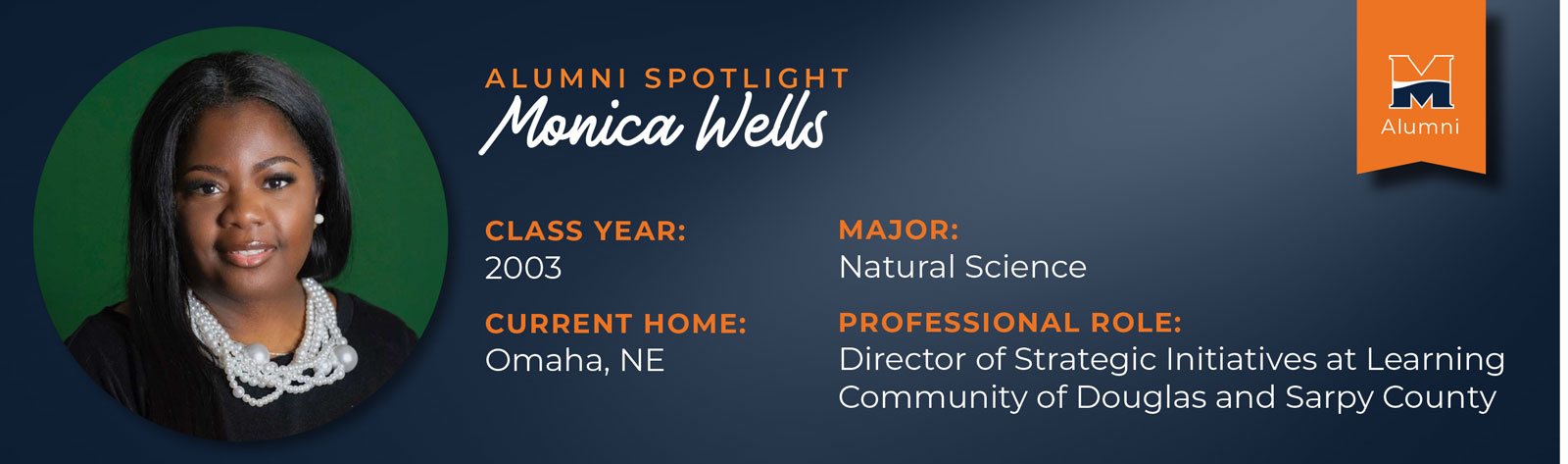
Monica (Brumfield) Wells learned leadership...


For more than 140 years, Midland University has shaped lives and built a lasting legacy. That legacy lives on through those who invest in its future. Your support helps ensure Midland’s mission and impact continue for generations to come.
Universal Charitable Deduction - More Donors Get Tax Benefits
Even if you take the standard deduction, there is a new permanent, above-the-line charitable deduction. You will be able to deduct up to $1,000 (single filers) or $2,000 (married couples filing jointly) of cash gifts beginning in 2026. Please note that gifts to donor advised funds are excluded.
New Minimum for Itemized Charitable Deductions
If you do itemize, you will now have to meet a minimum giving amount equal to 0.5% of your Adjusted Gross Income (AGI) before you can start to claim a charitable deduction. For example, if the AGI is $200,000, the first $1,000 of charitable contributions in a year will not be deductible (as $200,000 x 0.5% =$1,000); only giving above that amount qualifies for a tax benefit. You may want to consider “bunching” your gifts - consolidating several years of giving into a single tax year - or contributing to a donor advised fund to clear this floor. It is also worth noting that for taxpayers in the top marginal bracket (37%), the value of the itemized charitable deduction will be capped at 35% beginning in 2026.
Estate & Gift Tax Exemption Rate Increases
The federal estate and gift tax exemption will now be $15 million per person beginning January 1, 2026 (adjusted annually for inflation), meaning very few estates will owe federal estate tax. This change is permanent and is not set to sunset like previous laws. (Nebraska does have a state inheritance tax and any pre-tax assets would still incur ordinary income tax to the beneficiaries.)
For more information about charitable and planned giving, contact Laura Jensen at jensen@midlandu.edu.
Information provided is for general informational purposes only and not intended to constitute legal or financial advice. We encourage you to consult your financial or tax advisor regarding your philanthropic giving.
Monica (Brumfield) Wells learned leadership...